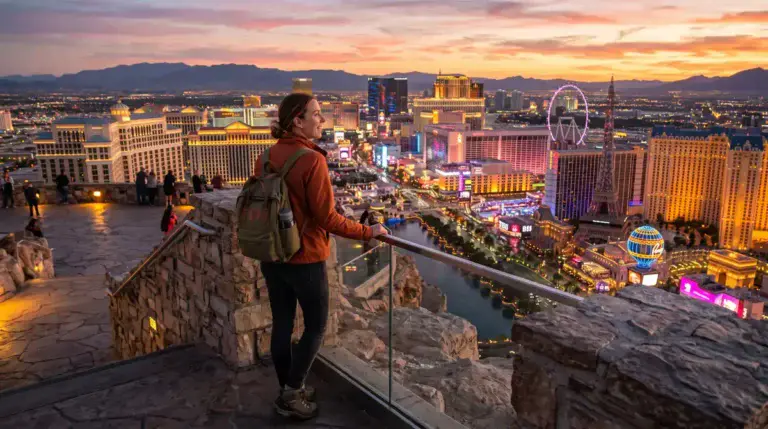


Las Vegas Destination Guide: Where to Stay and What to Do
Las Vegas can catch you off guard. One minute you’re thinking, I’ll be fine, and the next minute you’re sprinting across the Strip trying to fit everything in before the night runs out.
Here’s the truth, though: it’s not just casinos and late nights. You can plan a proper weekend. A budget trip. A food trip. Or a full luxury stay with pools, shows, and at least one proper desert escape. The key is simple: pick a base that suits you, then lock in a few smart stops. That way, you enjoy it, not endure it.
Start with the right base for your trip
Where you stay is not a small detail. In Las Vegas, your hotel location changes the whole game. It affects how much you walk, how easy rideshares are, how smooth dinner plans feel, and whether you can bounce back after midnight.
Why the Strip is the easiest first choice
If it’s your first time in Vegas, the Strip is the sensible option. Everything’s lined up in one main area. Big resorts, major shows, famous restaurants, and the iconic stuff you came to see.
Staying on or near Las Vegas Boulevard also keeps your nights flexible. You can pop out for dinner, check the sights, catch a show, and still not feel like you’re stuck across town. For a shorter trip, that convenience matters a lot.
When downtown Las Vegas makes more sense
Downtown is where you go when you want something different. Usually you get better room rates, and the vibe feels more raw and real.
Fremont Street is the headline here. It’s old-school neon, live music, and tight walking distances between attractions. It feels livelier in a different way than the Strip. So if you want a cheaper base and a more local nightlife feel, downtown is a strong pick.
If you’re heading out soon, it’s smart to grab the basics early too, like what to pack for the heat (especially in summer).
The Las Vegas sights most worth your time
Vegas is one of those places where trying to do everything is how you end up missing the best parts. You want a few real anchors. Then build around them.
Classic stops that define the city
Let’s start with the easy wins.
The Bellagio Fountains are still a must. They’re free, they’re iconic, and they hit different at night. Then walk it off and pop into the Bellagio Conservatory when you want a calmer moment and some great photo ops.
After that, take a proper Strip stroll. Pick one section and actually walk it. The giant hotel lobbies, the views, and the people-watching are part of the experience. Don’t rush it like you’re trying to clock in.
Newer attractions that stand out now
Sphere is the headline right now.
Even if you’re not going inside for a show, you’ll notice it. It draws people in. The place has become one of the most talked-about spots in Vegas, and for many visitors, it’s the one thing they don’t want to miss.
If you can get tickets, go. The visuals and sound are the main reason people rave about it. Even for travelers who skip the show, it’s still worth seeing the building lit up around the Venetian area at night.
Downtown fun, from Fremont Street to the Arts District
Fremont Street is loud, bright, and full of energy. It’s crowded, it’s got personality, and yes, it can feel a bit chaotic. That’s part of what makes it fun. If the Strip feels too polished, downtown gives you a different side of Vegas.
Then head to the Arts District when you want a calmer break. Murals, breweries, coffee shops, vintage stores, and smaller bars. Together, Fremont and the Arts District give you variety, especially if your trip is otherwise heavy on big resort stops.
Make time for desert views and day trips
Here’s what makes Vegas feel complete. At least one time, you step away from the lights and take in the desert air. One good nature stop can reset your whole trip, especially after late nights.
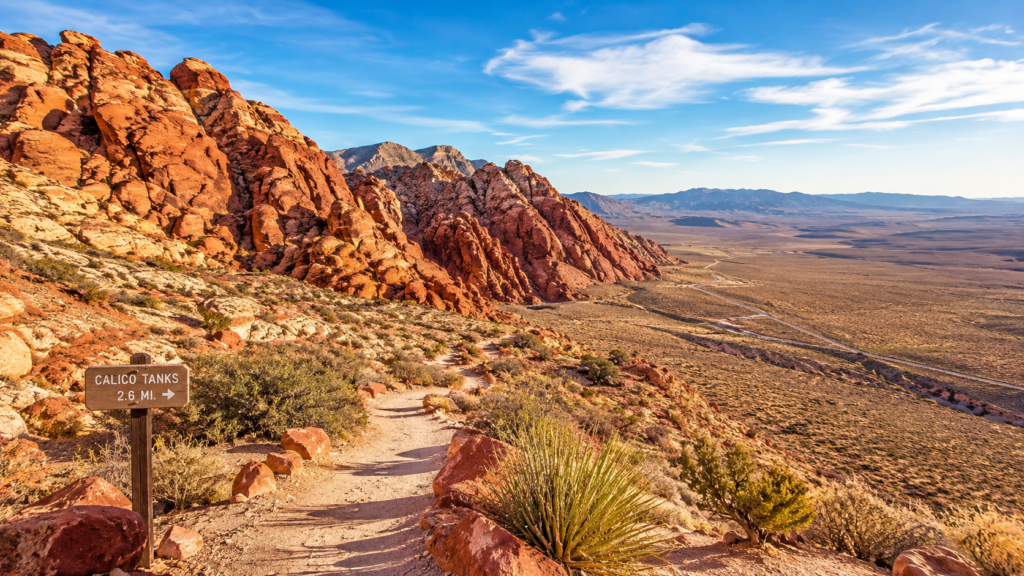
Red Rock Canyon for hiking and desert views
Red Rock Canyon is the best half-day option for most visitors. You get scenic views without needing a huge plan. Even if you do not go too deep on a hike, the drive and viewpoints are still worth it.
Go early, especially if you’re visiting in June. The heat builds fast in the afternoon, and the morning is usually cooler and better for photos too.
Hoover Dam for an easy and famous side trip
Hoover Dam is another great choice. It’s famous for a reason, and it adds history and wide-open views without much effort.
If you’ve got three or four days in Vegas, you do not need five-day trips. One off-Strip outing is usually enough. It gives you a break from the same scenery and makes the trip feel bigger than just the Strip.
💡 Did You Know?
Las Vegas welcomes more than 40 million visitors each year, but many travelers never leave the Strip. Some of the region’s most impressive attractions, including Red Rock Canyon, Hoover Dam, and the surrounding Mojave Desert, are located less than an hour from the city.
Many experienced Vegas visitors recommend planning at least one off-Strip adventure. A few hours in the desert can provide a completely different perspective on Southern Nevada and offer a welcome break from the crowds, casinos, and bright lights.
How to plan a smoother, cheaper Vegas visit
Vegas is one of those places where booking decisions matter. Prices can jump fast, and weekends can get expensive quickly.
Book hotels, shows, and restaurants before you go
If there’s a specific hotel, a show you really want, or a top restaurant you’re set on, compare Booking.com vs Expedia to find the best rates before your trip.
This matters most on weekends, holidays, and event-heavy dates. Popular dinner times get taken quickly. And major shows can sell out before you even land.
A loose plan is fine. Just lock in the must-dos. Sphere dates, top restaurant reservations, and popular pool options are much easier to enjoy when they are already handled.
Save money by timing your trip well
For cheaper rates, try going Sunday through Thursday. Friday and Saturday usually cost more.
Midweek also feels less crowded, which helps with restaurants and rideshares. If you’re watching your budget, this is one of the easiest things you can do.
Also, summer changes your day. In June, pool time, museums, shopping, and shows often work better in the hotter hours. Save long walks for the morning or after sunset.
Use the easiest way to get around
If most of your plans stay on the Strip, you might not need a rental car.
Walking, rideshares, and the Deuce bus often work better than dealing with parking and traffic. A car makes more sense if you’re planning larger off-Strip stops like Red Rock, Hoover Dam, or long day trips.
One late night, one slow morning, and one off-Strip outing is a smart pace for most visitors.

Final thoughts
A great Las Vegas trip is all about balance.
Choose a stay location that matches your schedule. Pick a few iconic sights. Add one neighborhood for variety. And make sure you get at least one break away from the Strip.
Do that, and Vegas stays fun, not exhausting. Plan ahead where it matters, spend on what you care about, and keep the rest simple.
Thinking about a Las Vegas trip?
What is the one attraction you refuse to miss when you’re in Vegas? The Bellagio Fountains, Fremont Street, Sphere, or something completely off the Strip? Let me know in the comments. Your recommendation might help another traveler plan a better trip.
Frequently Asked Questions About Visiting Las Vegas
How many days do you need in Las Vegas?
Most visitors do well with three or four days in Las Vegas. That gives you enough time for the Strip, downtown, a show, a few good meals, and one off-Strip outing like Red Rock Canyon or Hoover Dam.
Is it better to stay on the Strip or downtown Las Vegas?
The Strip is usually best for first-time visitors because it keeps hotels, shows, restaurants, and major attractions close together. Downtown Las Vegas can be better if you want lower hotel rates, Fremont Street nightlife, and a more old-school Vegas feel.
Do you need a rental car in Las Vegas?
You usually do not need a rental car if most of your plans are on the Strip or downtown. Walking, rideshares, taxis, and buses can cover most short trips. A rental car makes more sense if you plan to visit Red Rock Canyon, Hoover Dam, or other off-Strip attractions.
What is the best time to visit Las Vegas?
Spring and fall are often the most comfortable times to visit Las Vegas because the weather is easier for walking and outdoor activities. Summer can be very hot, so it is better to plan indoor attractions, pools, shows, and early morning or evening walks.
Is Fremont Street worth visiting?
Yes, Fremont Street is worth visiting if you want a louder, brighter, more old-school side of Las Vegas. It has live music, neon lights, street performers, casinos, bars, and a very different personality from the Strip.
What are the best free things to do in Las Vegas?
Some of the best free things to do in Las Vegas include watching the Bellagio Fountains, walking the Strip, visiting the Bellagio Conservatory, exploring Fremont Street, checking out hotel lobbies, and enjoying people-watching around the main resort areas.
What should first-time visitors avoid in Las Vegas?
First-time visitors should avoid overpacking the schedule, underestimating walking distances, ignoring resort fees, skipping reservations for popular restaurants, and walking too long in the summer heat. Vegas is more fun when you leave room to slow down a little.